As an Associate Producer of Cubs baseball games on television, I’m fortunate to be along for the ride on all the road trips. Sometimes, I take ferries to small islands all in the name of “game prep.”
This past August, I was in Toronto, and I woke up early to take a walk and check out the location of Babe Ruth’s lone minor league home run. As it happens, all of his career minor league homers were hit in Canada (all one of them), while all 714 of his Major League ones were hit in the United States.
The yellow pinpoint on Centre Island is where the markers are. See below.
On September 5, 1914, the Babe, playing for the Providence Grays (this was a few months after his Red Sox debut; he was sent down to help win the International League pennant) homered off Ellis Johnson of the Toronto Maple Leafs at Maple Leaf Park at Hanlan’s Point on Centre Island.
He was in the American League for good in 1915. And of course, Major League Baseball didn’t come to Canada until 1969.
This is what it looks like now. There’s an airport here.
And what a beautiful view looking back towards mainland Toronto.
Later that day, I showed our game producer these photos, and we got it into the game broadcast. Pretty cool.
The Hank Aaron State Trail runs 14 miles from Lake Michigan in Milwaukee to the Milwaukee/Waukesha County line.
And when you think of Hammerin’ Hank and Wisconsin, you usually think of Milwaukee. But that’s not why we’re here.
Aaron’s road to the big leagues (following his sale from the Indianapolis Clowns, at least) began as an 18-year-old in Wisconsin. A three and a half hour drive northwest of Milwaukee, in Eau Claire.
On June 14, 1952, Henry Aaron played his first game for the Eau Claire Bears (Class C Northern League) at Carson Park.
Carson Park was built in 1937; a Works Progress Administration project.
Henry hit .336/.401/.493 with 9 home runs & 25 stolen bases in 87 games (at age 18, remember!) in his lone season in Eau Claire.
The Bears went 72-53 under player/manager Bill Adair.
I didn’t get a chance to go inside; it was a quick stop on the drive home to suburban Chicago from Minneapolis. But from the outside, it’s a pretty looking park.
I had taken a five-day getaway to Arizona for spring training; the Cactus League in late February-early March is one of my favorite things in the world. On my fourth night in, I sat in my hotel room flipping through a book on the Cactus League, and I came across a chapter devoted to a place I had never been.
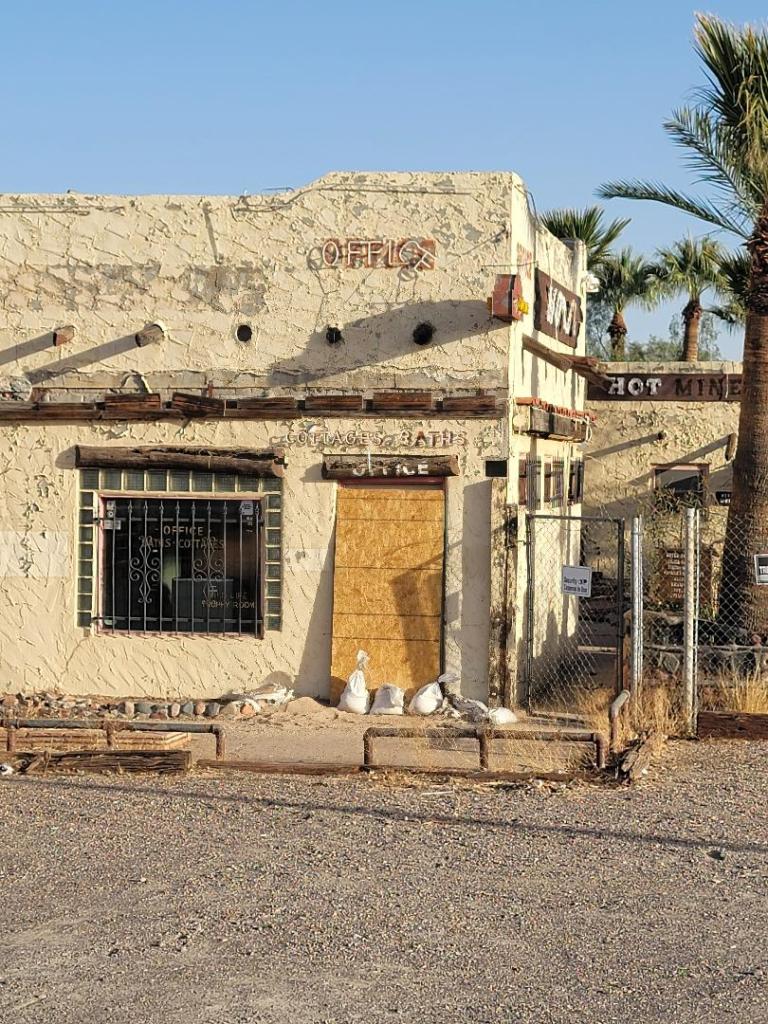
And that’s how I ended up entering the name of an abandoned mineral bath resort in Mesa into my GPS on a Friday morning.
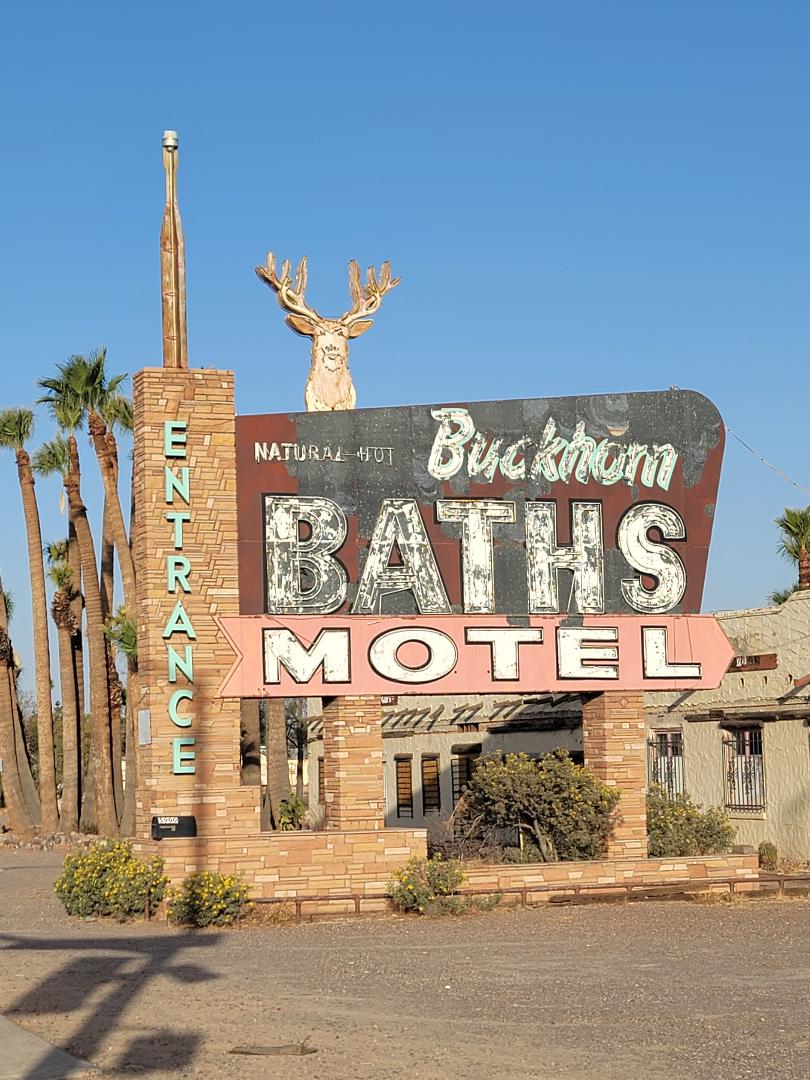
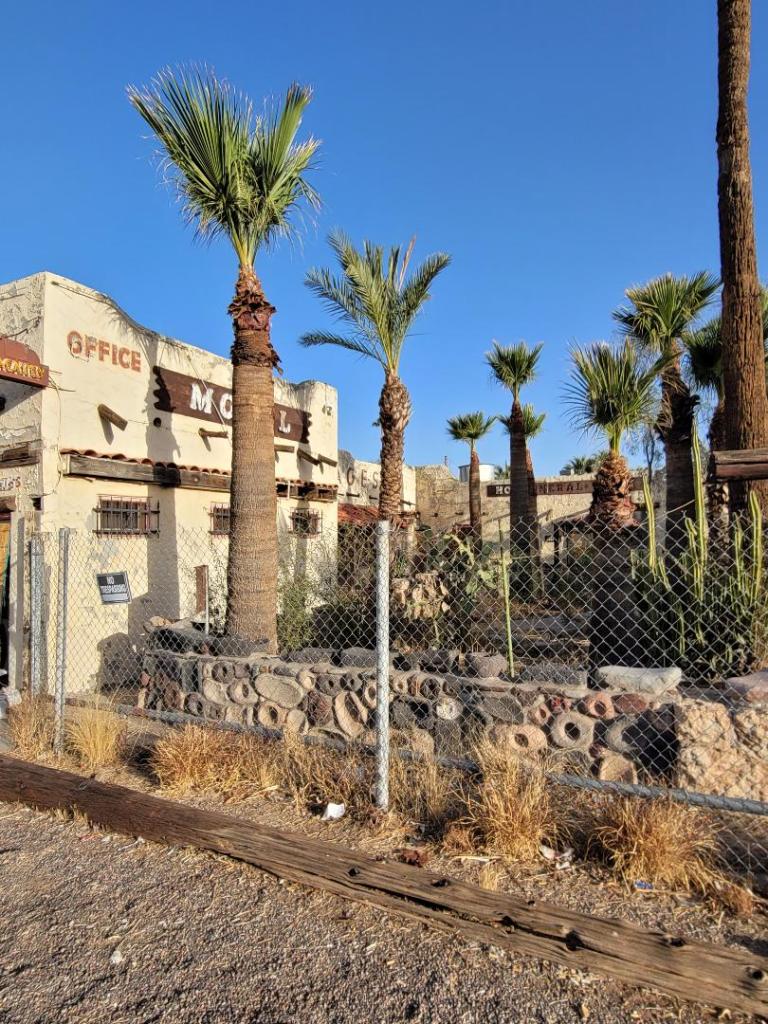
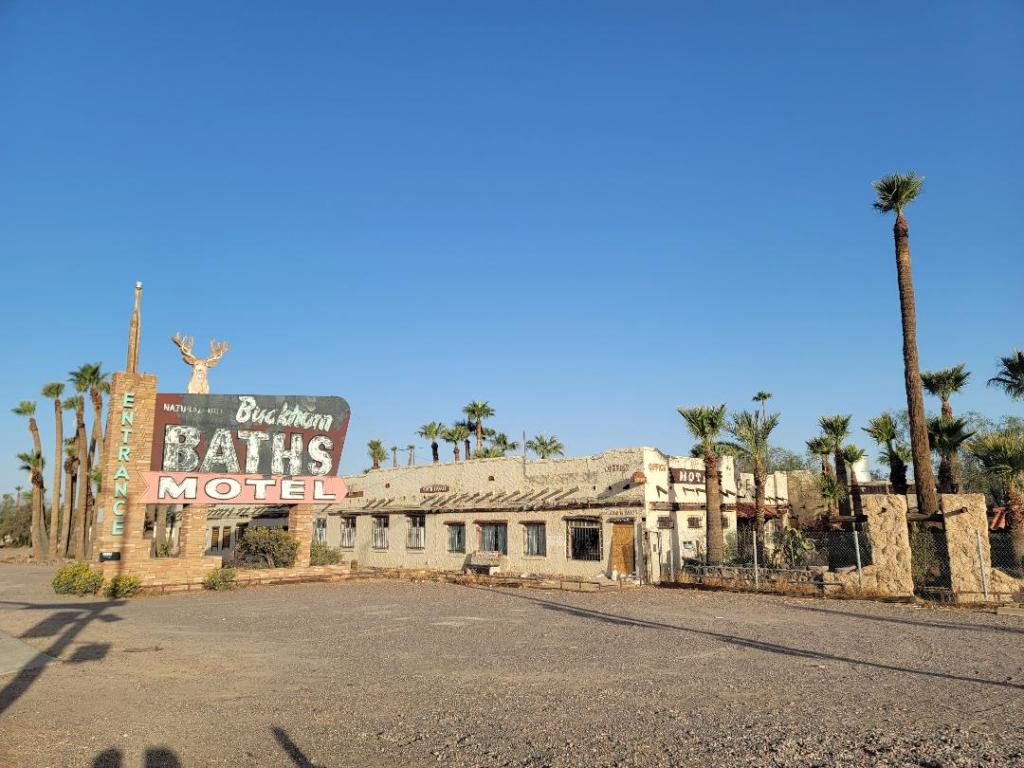
The Buckhorn Baths were a spring institution for ballplayers and celebrities located on what is now the corner of E. Main St. and Recker Road in Mesa.
Established by Ted and Alice Sliger in 1939, the Buckhorn Baths hosted numerous teams as they prepared for the season. The New York Giants, their most frequent visitors started the trend in 1947.
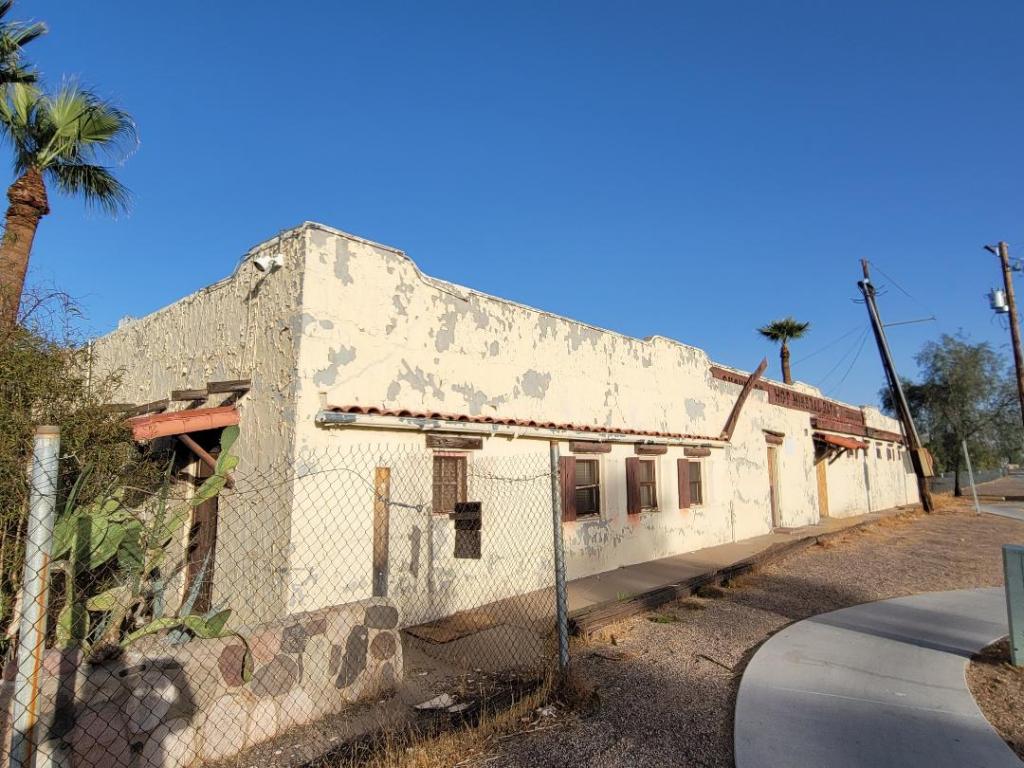
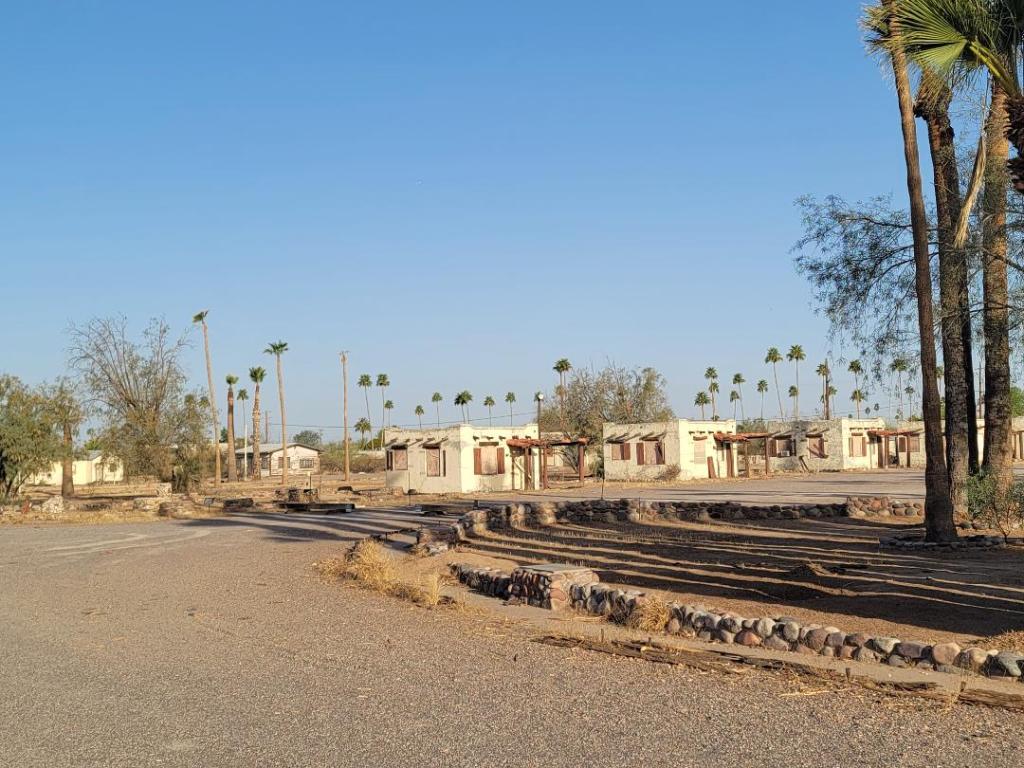
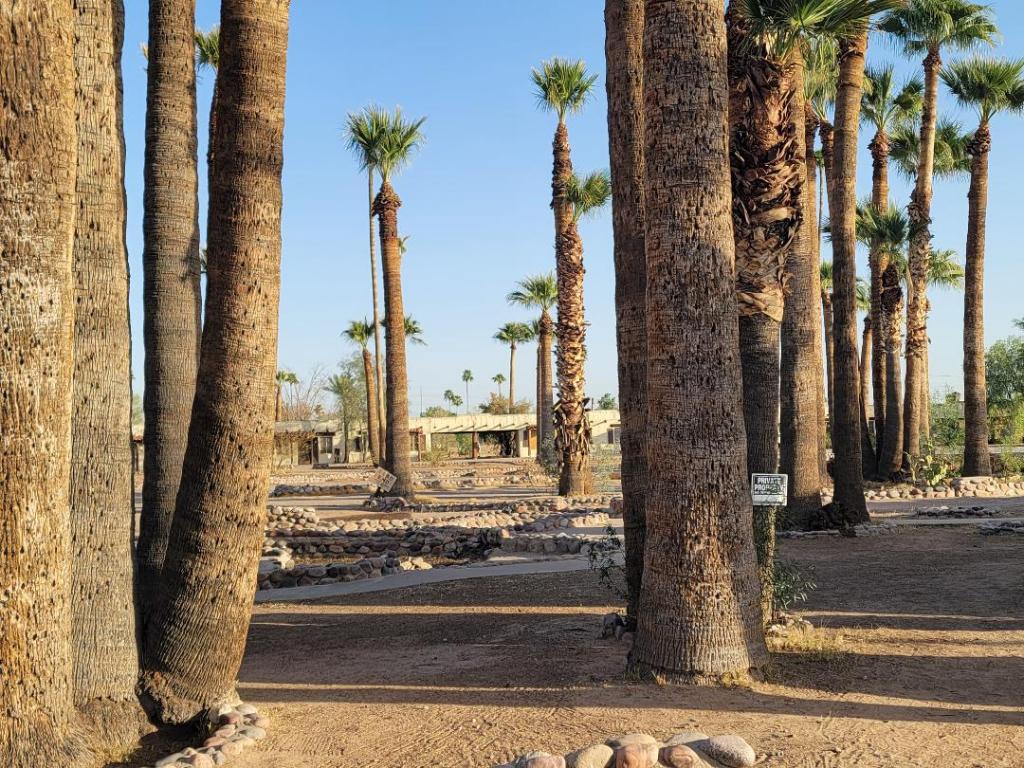
In 1999, the Buckhorn Baths closed for good, and have been sitting abandoned ever since.
I can’t believe it took me as long as it did to make it here. I’m fascinated with historic abandoned places, and I love baseball. It’s a perfect combination.
Wouldn’t it be great if the people in Mesa were able to transform this into a Cactus League Museum? It would probably never happen. But at the very least, I really hope they can avoid tearing this all down. You can imagine how wonderful this place was in its heyday just by looking at it.
For a good history of this place, I recommend checking out Cactus League Spring Training by Susie Steckner and the Mesa Historical Museum (Arcadia, 2012). There are some wonderful pictures in there.
From 2018 until about a month ago, I lived in Streamwood, Illinois. It’s about 35 miles from Chicago, with Elgin to the West and Schaumburg to the East.
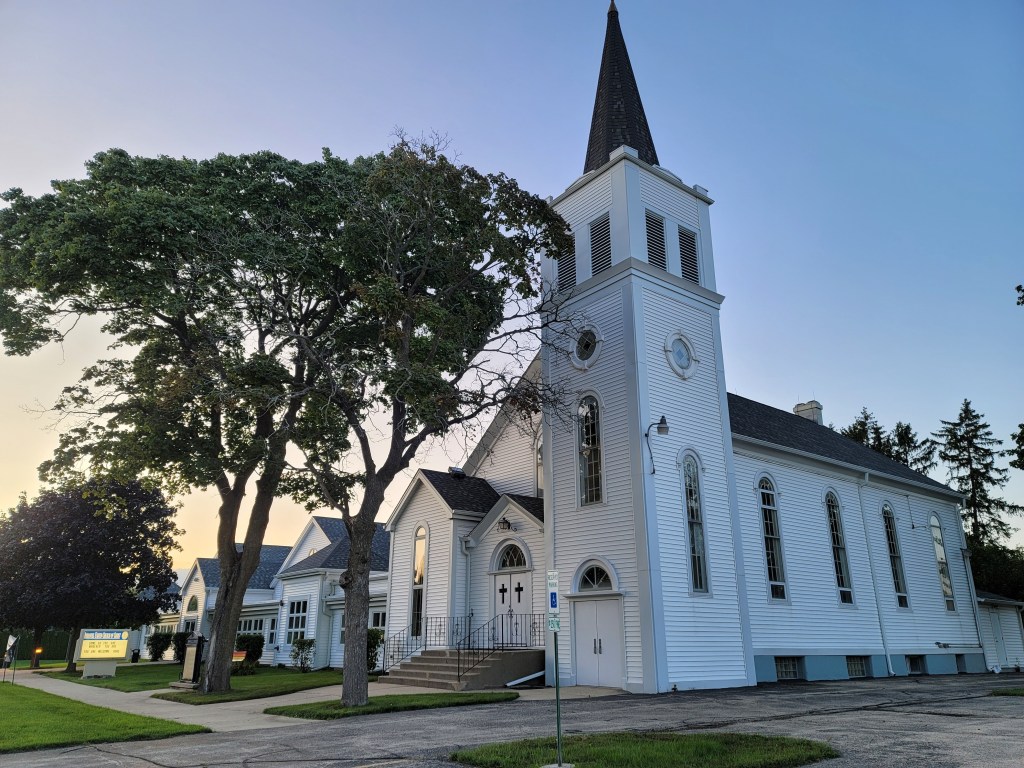
Coming from Chicago on I-90 West, I’d exit to Barrington Road heading South, and getting home, I’d cut across Old Church Road to get to Schaumburg Road, which led to my street. The Old Church for which the street is named is the Immanuel United Church of Christ. Originally built in 1853; a new building arrived in 1868, and behind it is a small cemetery, where many of the original German settlers of Hanover Township (The village of Streamwood didn’t exist until 1957) are buried; many of the gravestones are old enough that the names are no longer legible.
The “Old Church” which inspired “Old Church Road”
It’s one of those cemeteries you pass and never imagine anyone remotely famous would be there until I was messing around with the SABR Graves Map and saw a marker in the vicinity of my house.
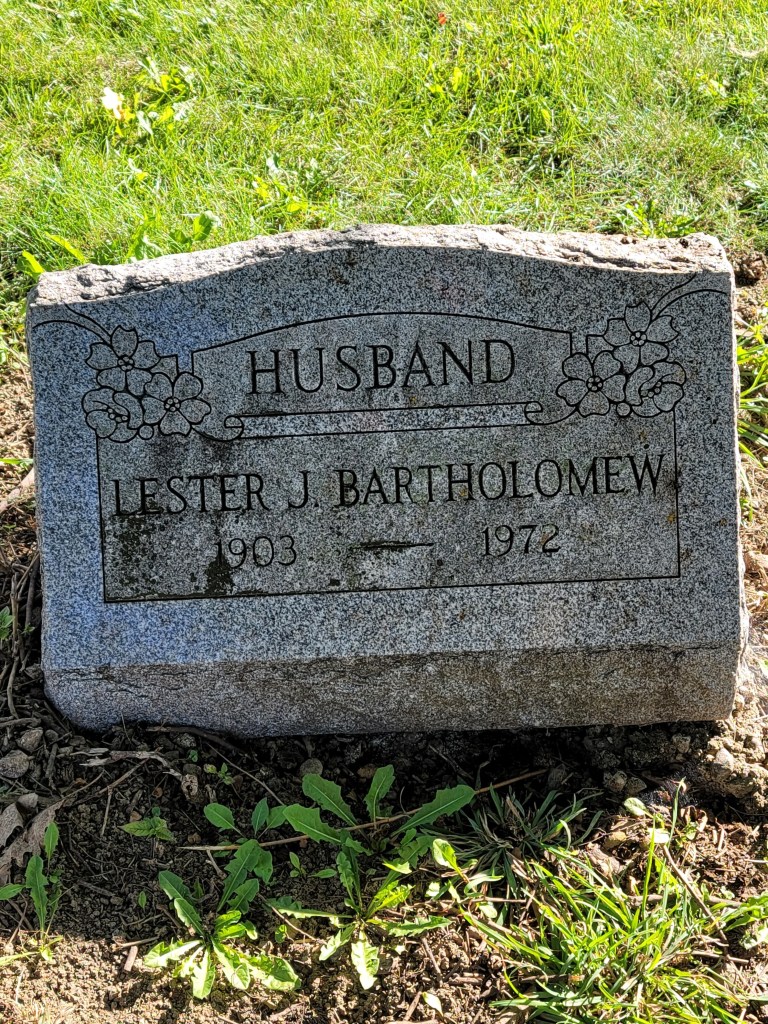
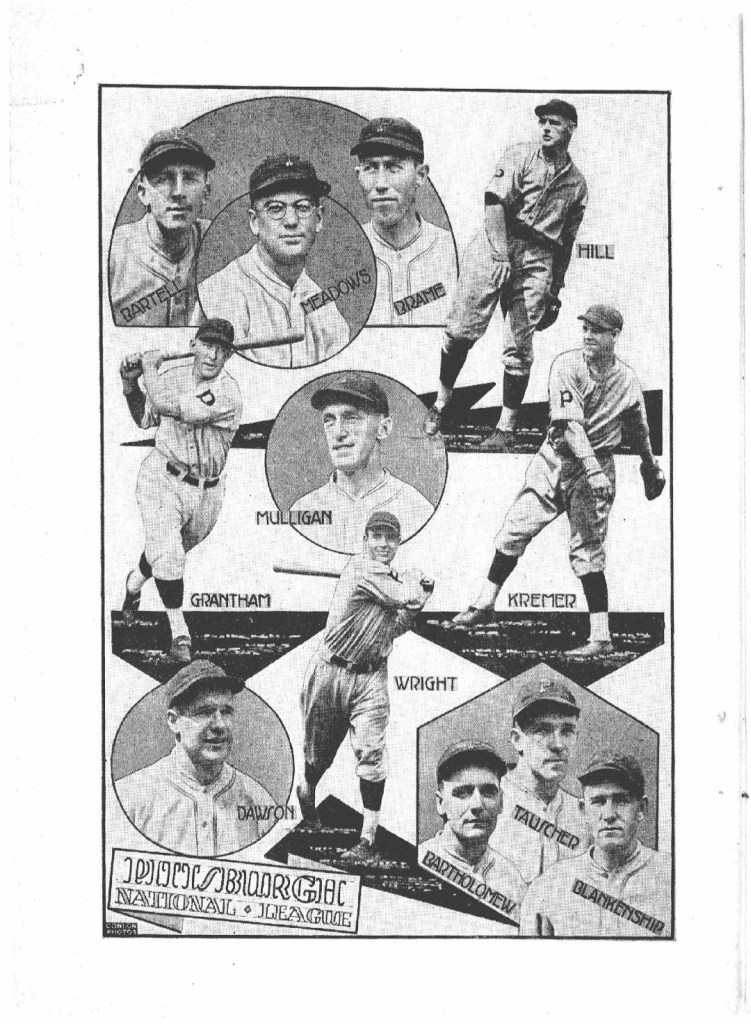
It turns out former Major League lefty Les Bartholomew is buried there. Bartholomew made it to the bigs for nine games; six for the Pirates in 1928 and three more for the White Sox in 1932.
Shout out to the SABR Graves map for making this possible
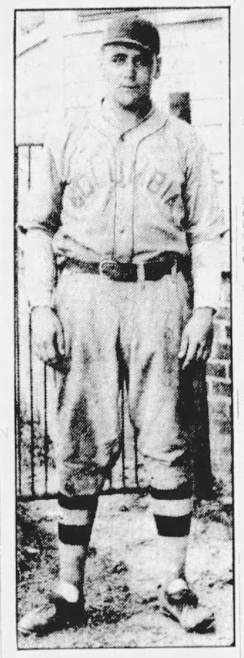
Bartholomew was born in Madison, Wisconsin in 1903 to Hyle and Augusta (Stiegman) Bartholomew. The family moved to Barrington (a little north of Streamwood) in 1912. The big lefty pitched for Burlington (Iowa) of the Mississippi Valley League in 1926, then for Columbia (South Carolina) of the Sally League the following season and he debuted for the Pirates April 11, 1928 before finishing the year with Dallas (Texas League). In 1929-30, Bartholomew pitched for Omaha (Western League).
Les Bartholomew, Columbia (SC) Comers (South Atlantic League), 1927
Bartholomew dealt with a sore arm in 1931, but still managed to strike out 17 in a game for Reedsburg in a 3-2 win over Baraboo in a Wisconsin American Legion game on June 14th. The Baraboo News Republic notes he was property of the Yankees at the time.
His next – and last – taste of big league action came in a 3-game cameo for the White Sox in 1932. He popped up on Midwest mounds through the mid-1930s. The Dayton Herald made mention of “The Husky Portsider” for the Middle Atlantic League Dayton Ducks in 1934, but it didn’t go well. Bartholomew made appearances for an Elgin (IL) team in 1935; curiously the Chicago Tribune referred to him as “Les Bartholomew, former Pittsburgh Pirate pitcher” despite having played for the White Sox only a few years prior. There were whispers of Bartholomew possibly joining the Racine Belles (Wisconsin State League) in 1936 but I was unable to determine whether he made the team.
Pittsburgh Pirates, 1928
In all, Bartholomew made nine major league appearances; his team lost all nine as he posted a 6.75 ERA in 28 innings. He recorded seven career strikeouts, and no fewer than three were of future Hall of Famers – Mel Ott, Jim Bottomley & Hack Wilson.
According to his 1972 obituary in the Barrington Courier Review, he had been self employed as a metal polisher, and was survived by wife Esther and a son, Richard. He lived in Barrington at the time.
It’s too bad I wasn’t able to discover Les Bartholomew until my last month in Streamwood, but it was enjoyable getting to learn a little bit about a former big leaguer who lived nearby.
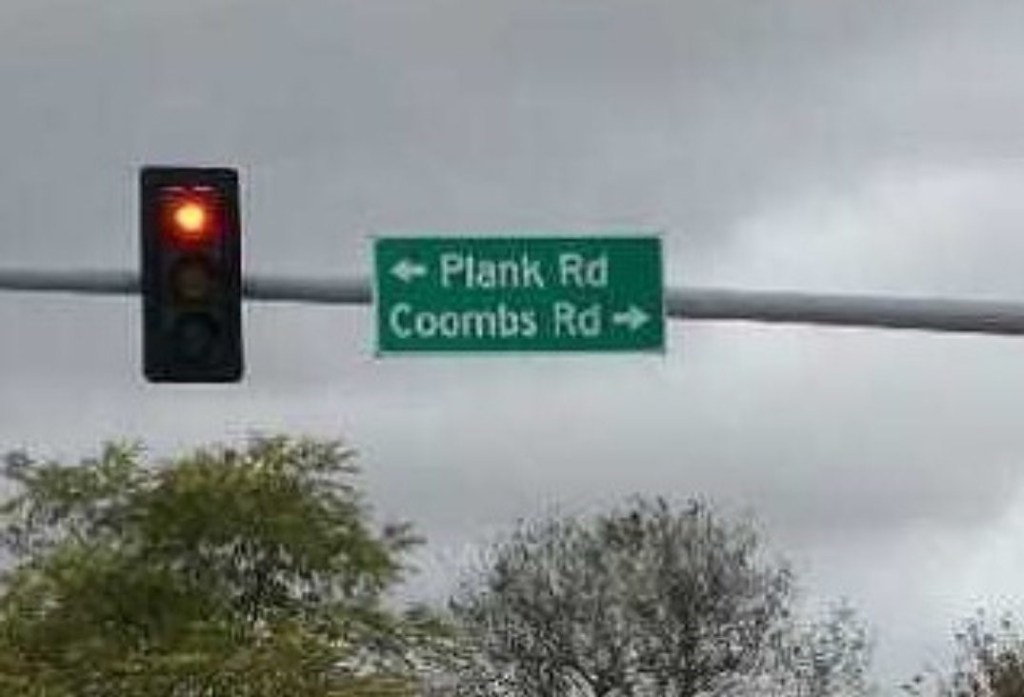
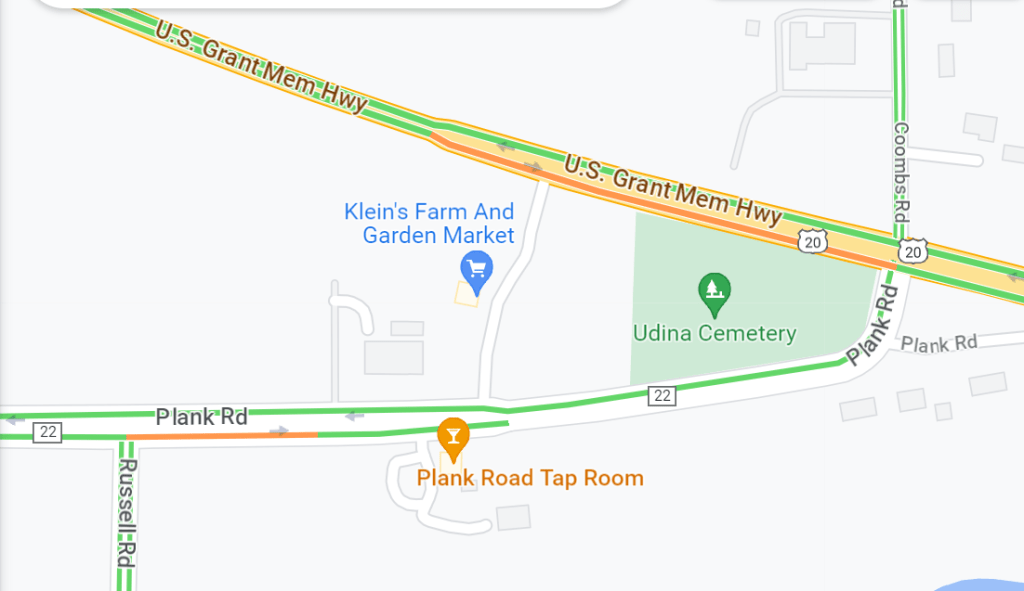
Along Route 20, right as you pass the sign for Udina (you-DINE-ah), an unincorporated community right past Elgin, you arrive at an intersection which raised my eyebrows.
As I made the left onto Plank and drove around the bend(er), and continued past the next street on the left, Russell Road, I wondered if this could have been the work of some passionate fan of the early 1900s Philadelphia Mackmen, tasked with naming streets in northern Illinois.
Plank was a lefty! Coombs was a righty! OK, it doesn’t work quite the same when approaching from the other direction, but play along with me here. There was even a Lefty Russell who made 13 appearances for the White Elephants in 1910-12.
Could it be? For a few years, I’ve wondered but never took the time to find the answers. Until yesterday, when I visited the Elgin Historical Museum.
David & Rebecca at the Museum knew exactly where I needed to look. I cracked open The Story of Udina by John Russell Ghrist (1995) and there were numerous chapters devoted to roads.
“DeKalb historian Phyllis Kelley states that there was a William Plank family from New York. They lived in Sycamore Township, and the entire road from Route 23 to Udina was called Plank Road after the family…”
That was half of it, but what about Coombs? Luckily later in the same paragraph…
“Coombs Road is named after another farmer who lived on the northeast corner of what is now Coombs Road and Brindlewood Lane.”
So much for that. No need to continue searching for Bender Lane or Morgan Drive. Maybe I should have watched for ducks Waddelling across the street.
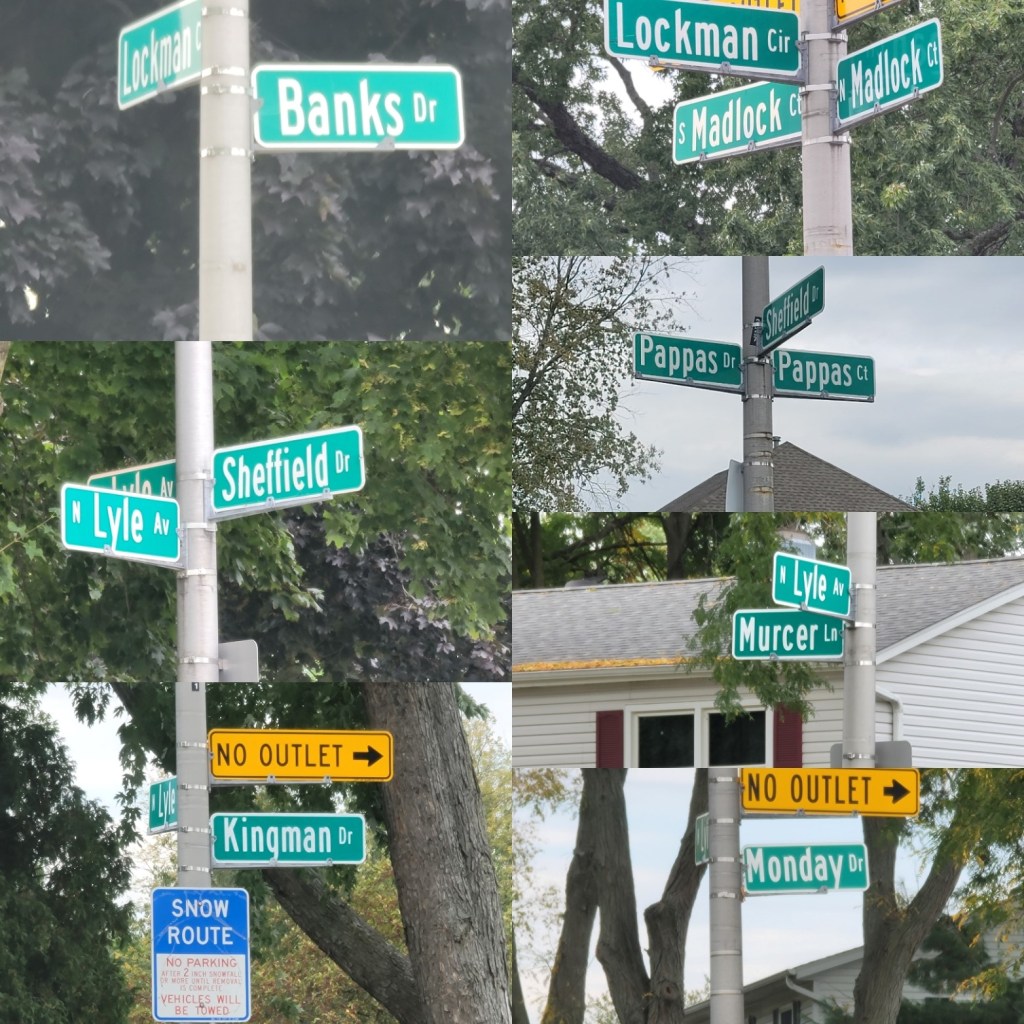
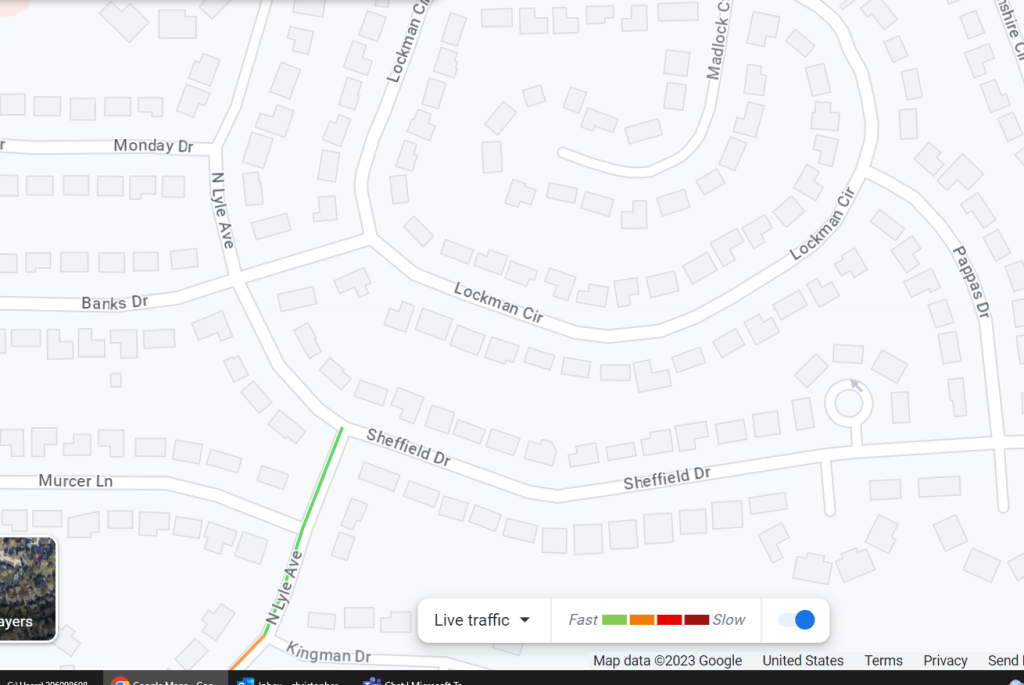
But I did not leave disappointed. I started talking baseball with David, who works in the research library at the Museum. He asked if I’d ever been to the Century Oaks West neighborhood of Elgin. I had not, and he handed me a newspaper clipping from the Elgin Courier News from November 6, 1990, which covered the origin of a few familiar-sounding street names throughout Elgin.
In 1972, realtor Jerry Hoover got a call from the Elgin city official in charge of reviewing street names and was told he needed to come up with street names prior to the plan commission meeting later that night.
It was around 3:30 or 4 o’clock in the afternoon, as he was listening to a Cubs game on the radio. And the rest is history.
Of course I had to go check it out for myself, and sure enough there it was.
Cool story. Only thing is, the timeline doesn’t match for these streets to all have been named in 1972.
Sheffield is a street which borders Wrigley Field. Fine. But the players/manager involved:
Either Hoover misremembered the year in question or perhaps after a few initial streets were named in 1972 (Banks reasonably could have been added in 1972 because he’s Mr. Cub after all), others were added in subsequent years. Regardless, it was neat to see a group of baseball-inspired street names instead of names of trees or states or presidents.
The purpose of this forum is to allow members of SABR’s Baseball Landmarks Committee to write about baseball sites. Posts could include detective work to find long-lost places, celebratory gatherings, ideas for marking currently unmarked locations, stories about what makes the landmark special in the first place, and more.
The main purpose of our committee is to create and support the SABR Baseball Map. But the project lends itself to storytelling. Why is the plaque here? Why did I decide to visit? We’d love to read what you have to write.





 The Hardball Voyager